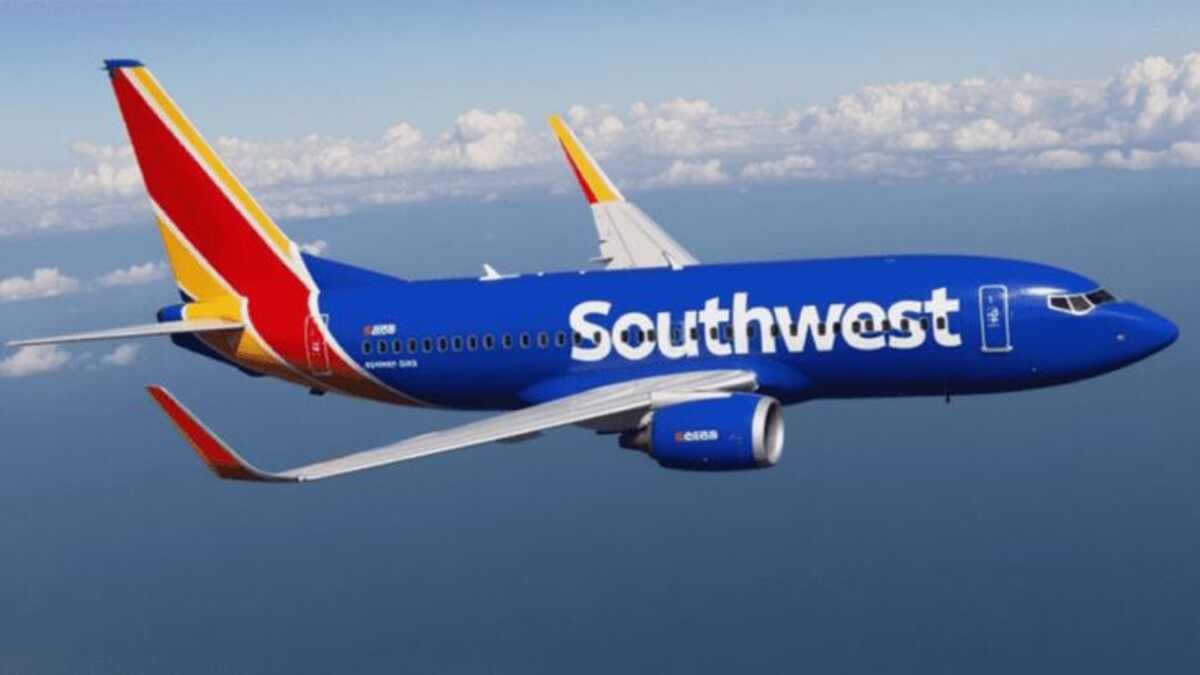
Southwest Airlines, long known for its strong domestic presence and low-cost travel model, is making a decisive move toward global expansion. The airline has announced a strategic international partnership aimed at extending its reach beyond North America, marking one of the most significant shifts in its history. This move signals Southwest’s ambition to evolve from a primarily domestic carrier into a competitive global player.
For decades, Southwest focused on short-haul, point-to-point routes within the United States, building a loyal customer base through affordable fares, operational efficiency, and a simplified fleet. While this strategy delivered consistent profitability, changing travel patterns and rising international demand have pushed the airline to rethink its growth roadmap. The new global expansion strategy reflects this shift in priorities.
At the core of Southwest’s international push is a partnership-driven approach rather than direct long-haul operations. Instead of launching its own intercontinental flights, the airline is collaborating with established international carriers to offer seamless connections to destinations across Europe, the Middle East, and parts of Asia. This allows Southwest to tap into global markets without the high operational costs and risks associated with long-haul aircraft and overseas hubs.
Through these partnerships, passengers can book connecting itineraries that combine Southwest’s domestic routes with international flights operated by partner airlines. This integration enhances convenience for travelers while maintaining Southwest’s core strengths in pricing and customer experience. For frequent flyers, the expanded network offers greater flexibility and access to destinations that were previously out of reach under the airline’s standalone model.
The expansion also strengthens Southwest’s competitive position against legacy airlines that already dominate international travel. By leveraging partnerships, Southwest can compete on network breadth while preserving its low-cost structure. Industry analysts see this as a smart evolution, allowing the airline to scale globally without compromising its financial discipline.
From a business perspective, the move opens new revenue streams at a time when airlines are navigating fluctuating fuel prices, economic uncertainty, and shifting consumer behavior. International travel demand has rebounded strongly, particularly for leisure routes, and Southwest aims to capture a share of this growth. By offering international connectivity, the airline becomes more attractive to travelers planning multi-country trips or long-haul vacations.
Operationally, Southwest is also investing in digital infrastructure to support global connectivity. Enhanced booking systems, improved baggage handling coordination, and smoother transfer processes are being rolled out to ensure a seamless customer experience across partner networks. These upgrades are essential for maintaining service quality as the airline expands beyond its traditional operating model.
The expansion has broader implications for the aviation industry. Southwest’s move could encourage other low-cost carriers to explore similar partnership-based globalization strategies. Rather than competing head-on with full-service airlines on long-haul routes, budget carriers may increasingly rely on alliances to extend their reach while staying cost-efficient.
For travelers, the benefits are clear. More destination options, competitive pricing, and simplified booking processes make international travel more accessible. Southwest’s customer-friendly policies, such as flexible ticket changes and transparent pricing, could also influence partner airlines to align with similar service standards.
Looking ahead, Southwest’s global expansion represents a careful but confident step into a new era. While challenges remain, including coordination across airlines and maintaining brand consistency, the partnership-driven strategy minimizes risk while maximizing opportunity. As international travel continues to grow, Southwest Airlines is positioning itself not just as a domestic favorite, but as a meaningful player in the global aviation landscape.