
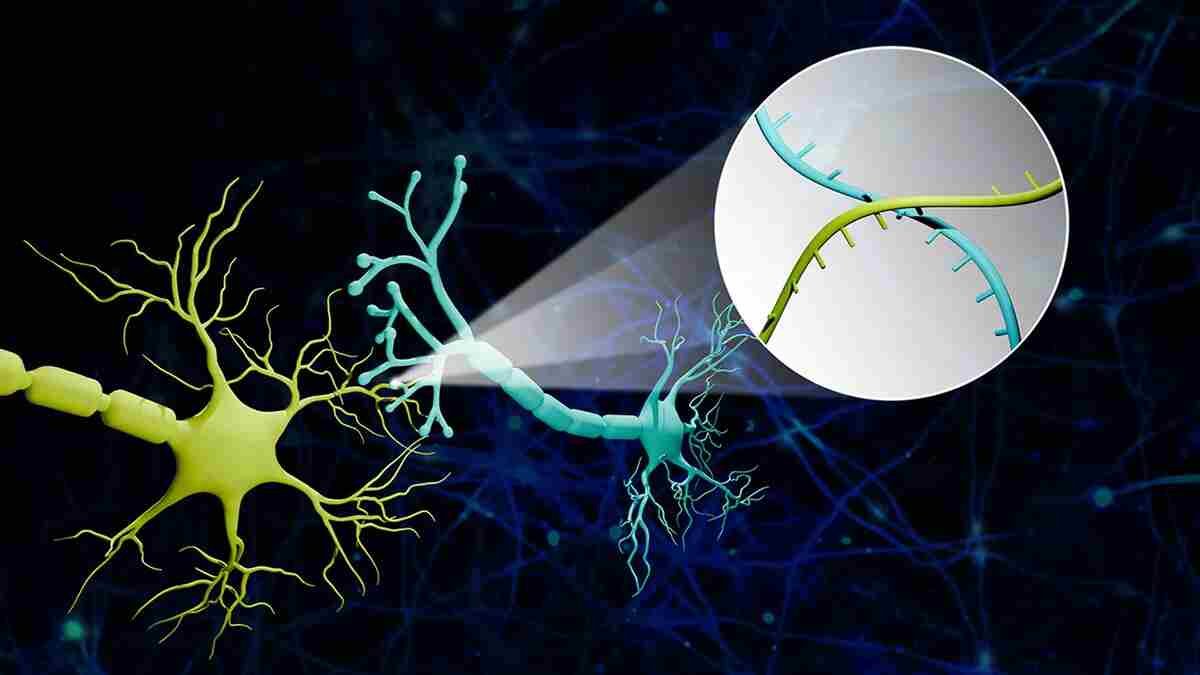

Neuroscientists have achieved a long-sought milestone in understanding the brain’s intricate architecture. Researchers at the University of Illinois at Urbana-Champaign have developed a revolutionary technique that uses RNA “barcodes” to map thousands of neural connections with single-synapse precision, turning the complex task of connectomics into a high-speed sequencing challenge. Announced on April 7, 2026, the platform called Connectome-seq promises to accelerate discoveries in brain function, development, and disease.
The brain contains billions of neurons linked by trillions of synapses, forming networks that control everything from basic reflexes to complex thoughts and emotions. Mapping these connections has traditionally been slow and limited in scale. Electron microscopy can reveal fine details but processes only tiny volumes of tissue over years. Other methods lack the throughput or resolution needed for large-scale analysis. Connectome-seq overcomes these barriers by assigning unique molecular barcodes made of RNA to individual neurons.
In the new approach, specialized viral vectors deliver distinct RNA barcodes into neurons. These barcodes are transported along axons and anchored at synaptic sites through engineered proteins. Researchers then isolate the synaptic junctions, or synaptosomes, and use high-throughput RNA sequencing to read which pairs of barcodes have come together. Each matched pair reveals a direct connection between two specific neurons. This method captures thousands of links simultaneously with remarkable accuracy, providing both speed and single-synapse resolution that no previous technology could achieve at this scale.
In proof-of-concept experiments on mouse brain tissue, the team successfully mapped connections across regions such as the pons and cerebellum. The results demonstrated clear cell-type specificity and detailed wiring patterns that align with known anatomy while revealing new insights into circuit organization. The technique scales efficiently, making it feasible to study larger brain volumes and multiple animals in parallel.
Lead researcher from the Zhao lab highlighted that Connectome-seq transforms connectome mapping from a painstaking imaging project into a sequencing-based workflow. This shift dramatically reduces time and cost while increasing data volume. The platform integrates well with existing single-cell RNA sequencing tools, allowing scientists to correlate connectivity data with gene expression profiles from the same neurons.
The implications for neuroscience and medicine are profound. Detailed brain wiring maps could illuminate how circuits form during development, how they change with learning or aging, and how disruptions contribute to disorders such as autism, Alzheimer’s disease, epilepsy, and depression. By comparing healthy and diseased brains at the synaptic level, researchers may identify precise targets for new therapies or early diagnostic markers. The technology also opens doors to studying plasticity, the brain’s ability to rewire itself, in unprecedented detail.
Experts anticipate that RNA barcoding will complement other advanced mapping efforts, creating multi-layered atlases that combine structure, function, and molecular identity. As the method is refined for larger mammals and eventually human tissue samples, it could reshape our understanding of neurological conditions and guide personalized treatments.
This breakthrough arrives at a pivotal time when neuroscience is generating massive datasets from brain imaging and genomics. Connectome-seq adds a critical missing piece by making synaptic connectivity accessible at scale. With further optimization and broader adoption, the technique holds potential to accelerate progress toward comprehensive brain atlases and more effective interventions for brain disorders.
As scientists begin applying RNA barcodes to diverse research questions, the once-invisible web of neural connections is coming into sharp focus. This elegant molecular approach not only decodes the brain’s hidden wiring but also signals a new era where sequencing power drives deeper biological understanding. The coming years promise exciting revelations as researchers explore the full potential of this innovative platform.