
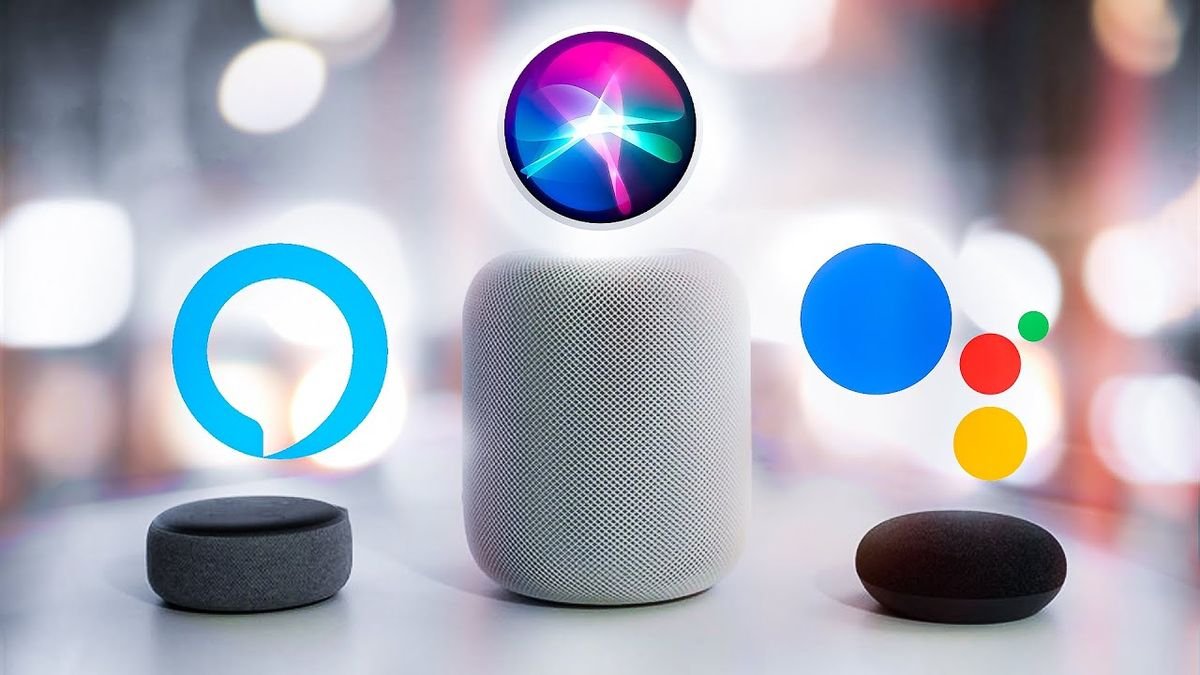

In an age defined by digital interconnectivity, artificial intelligence assistants have become the invisible backbone of modern life. From managing daily schedules and sending reminders to controlling smart homes and analyzing personal data, AI assistants like Siri, Alexa, and Google Assistant have redefined convenience. But as they grow smarter and more integrated into our private lives, one critical question is shaping the conversation — how do we balance the benefits of convenience with the growing concerns around privacy?
The very strength of AI assistants lies in their ability to learn from users. They analyze speech patterns, preferences, and behaviors to deliver personalized responses. This data-driven intelligence is what makes them efficient, intuitive, and, at times, eerily predictive. Yet the same data that fuels convenience also raises deep concerns about privacy and surveillance. Every command recorded, every query stored, and every interaction processed contributes to an expanding digital footprint — one that can be vulnerable to misuse, breaches, or unauthorized access.
In response to these challenges, a new wave of privacy-first AI assistants is emerging. Unlike traditional models that rely heavily on cloud computing, these next-generation assistants are designed to process data locally, keeping user information on the device rather than sending it to external servers. This approach, known as “on-device AI,” represents a major leap forward in digital ethics. By decentralizing data storage, users regain a measure of control over their personal information while still enjoying the benefits of automation.
Tech companies are recognizing that privacy is no longer just a regulatory requirement — it’s a selling point. Apple, for example, has built much of its brand identity around user privacy, emphasizing how Siri performs many tasks offline. Similarly, emerging startups are creating assistants that operate entirely without cloud dependencies, using encryption and anonymization to safeguard user data. These privacy-centric models are not only reshaping consumer trust but also setting new industry standards for responsible AI design.
Balancing privacy with performance, however, remains a delicate challenge. Cloud-based systems thrive on massive data inputs, which enable them to continuously learn and improve. Limiting access to data can reduce the personalization and contextual accuracy users have come to expect. Privacy-first AI developers are therefore experimenting with hybrid models — systems that perform local computations for sensitive data while relying on encrypted cloud interactions for general learning. Federated learning, for instance, allows AI models to learn collectively across devices without exposing individual user data to centralized databases.
Regulation is another driving force in this shift toward privacy-conscious AI. Governments worldwide are tightening data-protection laws through frameworks such as the EU’s GDPR and California’s CCPA. These regulations emphasize transparency, consent, and the right to data portability and deletion. As a result, AI companies are being pushed to adopt more ethical data practices, embedding privacy considerations into their algorithms from the very start — a concept known as “privacy by design.”
The cultural mindset around privacy is also evolving. Users are becoming more aware of how their data is collected and used, leading to a demand for transparency and accountability. People no longer see privacy as an afterthought but as an integral part of digital wellbeing. This growing consciousness has given rise to what some experts call the “ethical convenience” movement — where consumers seek smart solutions that simplify life without compromising their autonomy.
Looking ahead, the future of AI assistants will likely depend on trust. As AI becomes more embedded in daily decision-making, from healthcare advice to financial management, maintaining user confidence will be crucial. Privacy-first designs are not just a technical innovation; they represent a moral shift — an acknowledgment that convenience must coexist with control. The next generation of AI will need to be both smart and self-restrained, powerful yet privacy-preserving.
The balance between convenience and protection is not an easy one to strike. But it is precisely this balance that will define the next phase of the AI revolution. As companies compete to create more capable assistants, those that can earn user trust through transparency, security, and ethical data handling will lead the way.
In the end, privacy-first AI assistants may well redefine what it means to live in a connected world — one where technology serves not by intruding, but by respecting the very boundaries that make us human.