

Recent scientific research is spotlighting a range of compounds — from lab-designed molecules to natural products — that could one day help reduce neuroinflammation, a key driver of Alzheimer’s disease progression. This shift in focus toward inflammation — not just amyloid plaques — opens new avenues for therapies that could slow or modify disease development.
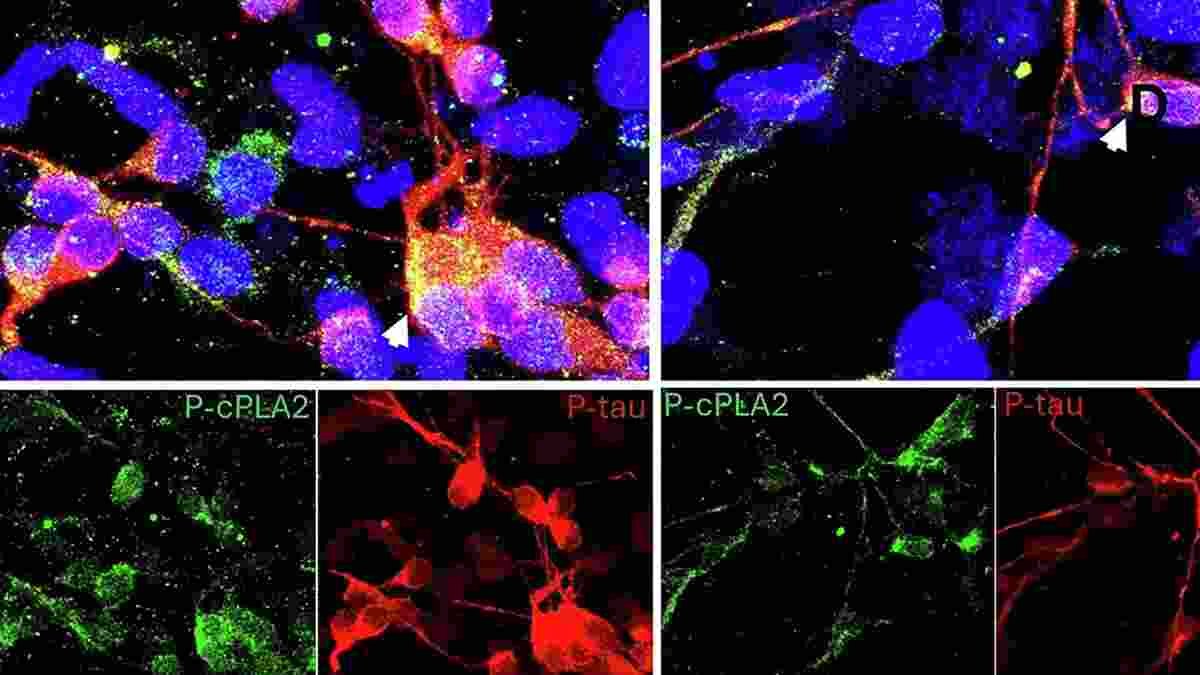
A major breakthrough has come from researchers at the University of Southern California, who have developed targeted compounds that inhibit a specific enzyme linked to Alzheimer’s-related inflammation. The enzyme, known as calcium-dependent phospholipase A2 (cPLA2), is highly active in people carrying the APOE4 genetic risk factor, and its overactivation drives harmful inflammation in the brain. Scientists used large-scale computational screening to identify molecules that selectively suppress cPLA2 activity without shutting it down completely — preserving normal brain function while reducing inflammatory signalling. These compounds were shown to penetrate the blood-brain barrier, a critical hurdle for Alzheimer’s drugs, offering a promising route toward treatments that can directly modulate neuroinflammatory pathways.
Beyond laboratory-designed molecules, natural products and plant-derived compounds are also capturing scientific interest. Polyphenols, a class of plant compounds found in foods like turmeric, green tea, and berries, exhibit strong anti-inflammatory and antioxidant properties. Preclinical studies suggest that polyphenols such as curcumin, resveratrol, epigallocatechin gallate (EGCG) and rosmarinic acid can suppress harmful inflammatory pathways, reduce oxidative stress, and even impact amyloid-beta aggregation — all of which may help protect neurons and support cognitive function. These natural components work through multiple mechanisms, including lowering pro-inflammatory cytokines and reducing activation of immune cells in the brain known as microglia.
In the realm of more targeted pharmacological approaches, crisdesalazine is an experimental anti-inflammatory and neuroprotective compound currently in early clinical development. It works by inhibiting the enzyme microsomal prostaglandin E2 synthase-1 (mPGES-1) and scavenging free radicals. These actions help reduce inflammation and oxidative damage more selectively than traditional non-steroidal anti-inflammatory drugs (NSAIDs), offering potential benefits for Alzheimer’s and other neurodegenerative disorders.
Another compound of interest is J147, an investigational molecule originally designed for anti-aging effects that has shown beneficial impacts on Alzheimer’s-like pathology in mouse models. While its primary mechanism isn’t purely anti-inflammatory, its ability to improve brain health and resilience highlights the diverse strategies being explored to tackle inflammation and other interconnected disease processes.
Though not yet confirmed in human trials, research on cannabinoids, particularly cannabidiol (CBD), indicates that these compounds may reduce neuroinflammation and improve cognitive behaviour in animal models of Alzheimer’s. CBD exhibits anti-inflammatory effects by reducing pro-inflammatory gene activity and supporting antioxidant responses — although much more research is needed to evaluate safety and efficacy in people.
In addition to direct anti-inflammatory compounds, other experimental strategies are emerging. Some studies focus on modulating the brain’s immune system itself — for example, enhancing norepinephrine signalling in microglia to keep these immune cells in a calming, anti-inflammatory state. Early results suggest this could mitigate plaque buildup and neuronal damage, offering yet another angle for future therapies.
While none of these compounds are currently approved as Alzheimer’s treatments, the diversity of scientific approaches reflects a broader trend in targeting neuroinflammation alongside traditional strategies like plaque removal. From selective enzyme inhibitors to polyphenol-rich natural products and immune-modulating agents, the pipeline of candidates underscores growing optimism that inflammation — long recognized as central to Alzheimer’s progression — may finally be addressable with precision therapies. Continued research, clinical trials, and careful evaluation will be crucial to determine which compounds translate into safe, effective treatments that can slow or prevent the devastating effects of Alzheimer’s disease.