
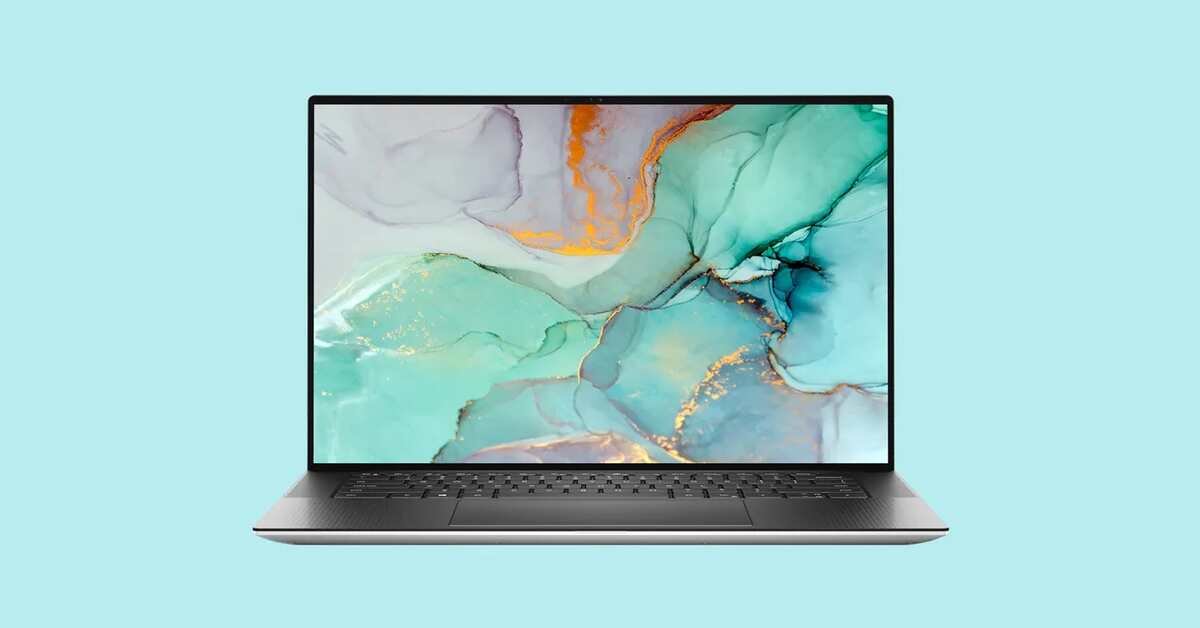

Dell has officially revived its iconic XPS laptop lineup in 2026, signaling a renewed push into the premium consumer and professional laptop market. After a relatively quiet period for the brand, the latest XPS models introduce refreshed designs, AI-powered performance upgrades, and next-generation display technology aimed at creators, developers, and power users. The move reflects Dell’s strategy to reclaim leadership in the high-end Windows laptop segment amid growing competition.
The new XPS lineup features redesigned chassis options that prioritize portability without compromising durability. Dell has refined the aluminum and carbon-fiber build, making the laptops lighter and thinner while maintaining a premium feel. Narrower bezels and improved hinge mechanisms give the devices a modern, minimalist appearance, aligning with current design trends seen across flagship laptops. Industry observers note that the updated look is a clear response to user feedback demanding both elegance and practicality.
Performance is a central focus of the revived XPS models. Dell has equipped the laptops with the latest AI-enabled processors, allowing on-device artificial intelligence tasks such as image enhancement, real-time transcription, and predictive system optimization. These capabilities reduce reliance on cloud processing while improving speed and privacy. Dell positions the new XPS models as ideal machines for AI-assisted workflows, including software development, content creation, and data analysis.
Display technology is another standout upgrade. The latest XPS laptops feature high-resolution OLED and advanced IPS panels with improved brightness, contrast, and color accuracy. These displays are designed to appeal to creative professionals who require precise visuals for design, video editing, and photography. Dell has also enhanced refresh rates on select models, offering smoother visuals for both productivity and entertainment use cases.
Battery efficiency has seen notable improvements as well. By optimizing hardware-software integration and leveraging AI-driven power management, Dell claims the new XPS laptops deliver longer battery life despite increased performance demands. This enhancement addresses a long-standing concern among XPS users who value portability and all-day productivity. Fast-charging support further ensures minimal downtime, making the devices suitable for hybrid work environments.
Connectivity and ports have also been refined in the revived lineup. Dell has struck a balance between modern wireless standards and practical physical connections. The laptops support the latest Wi-Fi standards, faster Bluetooth performance, and improved webcam technology for remote collaboration. At the same time, Dell has responded to criticism of earlier models by reintroducing essential ports, reducing dependence on external adapters.
The revival of XPS comes at a time when the premium laptop market is evolving rapidly. Consumers are increasingly seeking devices that can handle AI-driven tasks locally while maintaining sleek form factors. Dell’s refreshed XPS lineup directly targets this demand, positioning itself against competitors that emphasize either performance or design but rarely both. Analysts suggest that Dell’s renewed focus on XPS reflects confidence in the brand’s long-term relevance in a crowded market.
From a strategic standpoint, the XPS revival also strengthens Dell’s broader ecosystem. The laptops integrate seamlessly with Dell’s software tools for security, system optimization, and enterprise management. This makes the devices appealing not only to individual consumers but also to businesses looking for premium laptops that align with corporate IT standards.
Early reactions from tech enthusiasts and industry experts indicate cautious optimism. While pricing remains at the premium end, many view the updated XPS models as a return to form for a brand once considered the gold standard for Windows ultrabooks. The success of the lineup will ultimately depend on real-world performance, thermal management, and long-term reliability.
As 2026 unfolds, Dell’s decision to revive the XPS lineup underscores a broader trend in the tech industry: premium laptops are evolving into intelligent productivity hubs rather than just portable computers. With its latest XPS models, Dell aims to prove that thoughtful design, AI integration, and user-focused improvements can coexist in a single device.
If market reception matches expectations, the revived XPS lineup could mark a new chapter for Dell, reinforcing its position in the premium laptop space and setting a benchmark for future Windows-powered devices.