
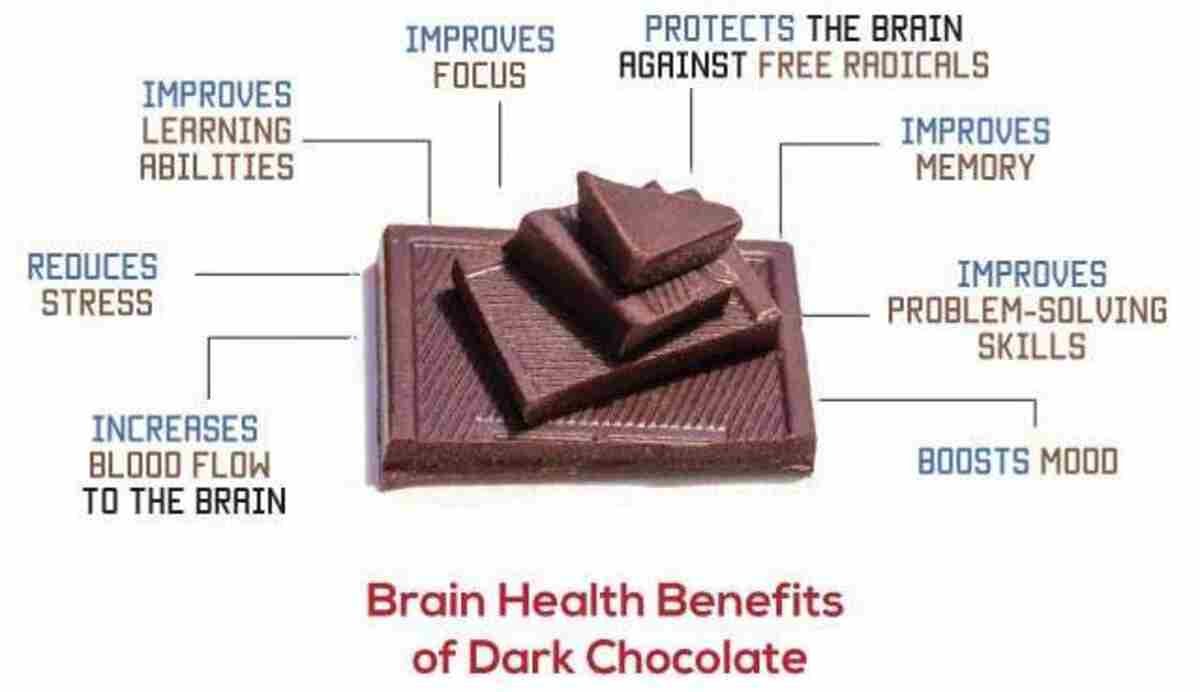

For the researchers looking at the links between food, brain and mood, cocoa has become the subject of fresh interest. The natural brain-boosting agents it naturally contains, in particular the polyphenols and flavanols, seem to have shown a few positive signs in some human studies: they are linked to improved mood, mental fatigue and some elements of performance, though scientists are pointing out an important caution: the evidence is not yet robust enough to brand cocoa as a known brain-aid.
A systematic review of research up to 2026 on the effect of cocoa polyphenols on brain health, published in Frontiers in Nutrition 26, has identified some encouraging effects on mood, neuroplasticity and the biota-gut-brain axis, as well as inconsistencies in the data for global cognitive function.
The review indicates that cocoa compounds could be affecting blood flow, inflammation and brain signaling pathways, but calls for further experimental studies to assess clinical significance. But the reason for scientists being interested in cocoa in particular is that it has an extremely high level of flavanols. These are derived from plants and belong to the polyphenult family of chemicals, as do many other foods such as tea, berries and some fruits.
They have been looked into to see if their antioxidant and anti-inflammatory and, blood flow effects will effect the brain as they do the cardiovascular system. Perhaps one place the evidence on mood will be in particular intriguing. A randomized placebo-controlled investigation on healthy middle aged doses reported greater calm and contentment than placebo following 30 days with a polyphenol rich cocoa drink (500mg).
There was yet no enhancement in cognitive function. Other studies have been in the same way promising, yet restricted in scope. A few hours of cognitive test performance with young healthy participants showed that intake of cocoa flavanols was linked to a decline in mental fatigue and a short term benefit on a single strenuous cognitive challenge.
No overall unifying cognitive benefit was noted by the researchers, which is why some experts are wary of claiming broad cognitive enhancement from cocoa. Another systematic review of dietary flavonoids from 2026 gives further background. Researchers reviewed 38 experimental studies and found evidence for benefits to mood was inconsistent.
Of the chronic studies, 12 showed results in favor of flavonoid supplementation, including two studies with cocoa. The authors suggested more research is required using similar dose, design and outcome measures. Yet, the greatest exception seems to arise when examining long term cognitive outcomes.
Among the largest studies, the COSMOS-Mind randomized clinical trial, monitored over 2,200 older adults over a period of three years. Those consuming a daily 500 mg flavanol containing cocoa extract did not show a significant difference in global cognition when compared to placebo A second COSMOS study conducted on 573 older people does not show no benefit of cocoa extract on global cognition, episodic memory or executive function at 2 years. The researchers noted a trend toward benefit in those with worse baseline diets, but this needs more research.
These findings demonstrate an interesting divide between possible short-term impacts and established long-term protection. While cocoa can have temporary effects on mood or mental fatigue on various occasions, this does not imply that consuming chocolate prevents the onset of dementia, reverses cognitive decline or much enhances one’s memory.