
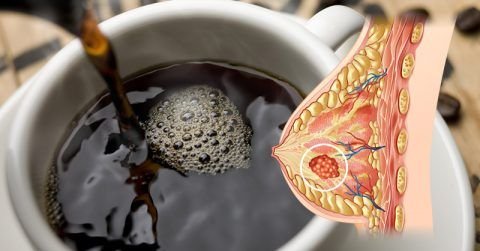

A landmark new study has discovered that individuals who enjoy their tea or coffee boiling hot are at a Really increased risk of a common type of oesophageal cancer. Researchers examining data on almost one million adults in the UK found that people who reported their usual beverage temperature as boiling hot have over three times the risk of oesophageal squamous cell carcinoma compared to those who like it warm. The evidence, published in the International Journal of Cancer, is the largest of its kind and builds on previous research from other countries.
The study relied on the long term follow up by the UK Biobank and the Million Women Study, each over an average duration of more than a decade; followed by recording thousands of reports of oesophageal cancer, interviews on self-reported preferences of drink temperature and reports on daily habits of drink consumption. In those who indicated an already increased risk for preferring hot drinks, roughly 1.7 times that seen in warm drink preference, moving to very hot preference increased the risk of squamous cell carcinoma, the histology most linked to thermal damage to the food pipe, over threefold.
Quantity also mattered. When temperature choice had been taken into account, those who drank six or more hot drinks a day still showed a 71 percent increased risk for the same cancer compared to those drinking fewer than six. Even so, no comparable association emerged for adenocarcinoma, the second form of oesophageal cancer more often linked to reflux and obesity. Many believe regularly being exposed to scalding liquid may damage the fragile lining of the oesophagus, rendering it more susceptible to abnormal cellular change. The lead author, Keren Papier, is a senior nutritional epidemiologist at Oxford Population Health.
She said this research is an extension of previous work observed in populations where very hot herbal drinks are consumed traditionally. The findings in the UK, which studied a large and well tracked population, adds support to the idea that the temperature itself is a risk factor. While the overall odds ratio for oesophageal cancer are relatively low, it proved to be much elevated for drinking very hot beverages. The researchers theorize that a significant proportion of squamous cell carcinoma could be prevented if individuals let hot beverages cool. The relevance of daily life is what makes the results so true.
Many individuals prefer their beverage hot enough that they have to add more heat when ordering it at the caf to keep from burning their tongue. Drinks above 65 degrees Celsius were regarded as very hot in the study, a level that is laid out in any common method of brewing and cooling a beverage. The simple step of adding milk, waiting for some minutes, and feeling the coffee before taking the first sip limits thermalmargin stress on thefood pipe without breaking the everyday habit.
No claim is made that hot beverages themselves lead to cancer. Elements such as smoking, alcohol, and unhealthy diet all still have an effect over all risk.