

Scientists around the world are making significant progress in the search for new treatments for Alzheimer’s disease, a devastating neurological condition that affects millions of people globally. Recent research breakthroughs are opening new possibilities for therapies that could slow, prevent, or potentially reverse the damage caused by the disease.
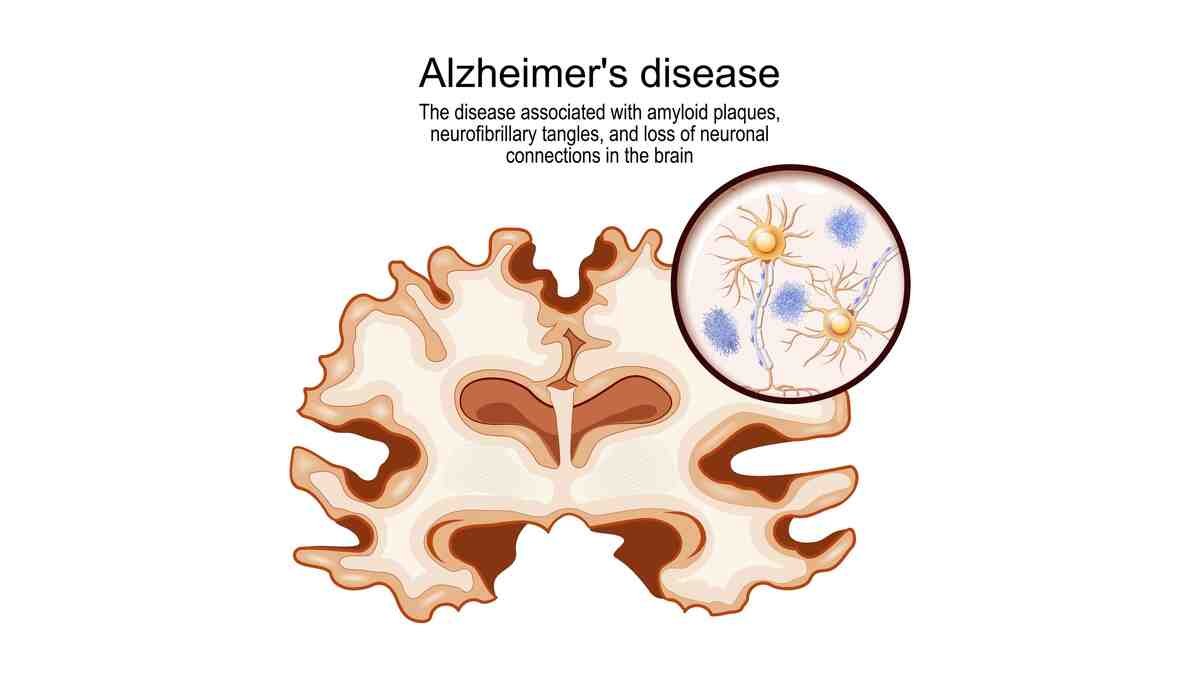
Alzheimer’s disease is the most common form of dementia and is characterized by the progressive loss of memory, cognitive abilities, and eventually the ability to perform everyday tasks. The disease occurs when harmful proteins accumulate in the brain, forming plaques and tangles that damage neurons and disrupt communication between brain cells. For decades, researchers have focused on understanding these biological processes in order to develop effective treatments.
One of the most promising recent discoveries involves identifying biological mechanisms that allow the brain to clear harmful proteins associated with Alzheimer’s disease. Scientists have discovered specific receptors in the brain that can activate natural enzymes responsible for breaking down amyloid beta, one of the toxic proteins linked to Alzheimer’s. When researchers stimulated these receptors in experimental studies, the brain produced higher levels of an enzyme that removed amyloid deposits, reducing plaque buildup and improving memory functions in laboratory models.
These findings are particularly important because amyloid plaques are considered one of the central drivers of Alzheimer’s disease. By targeting the biological systems that naturally remove these proteins, researchers believe they may be able to slow or halt the progression of the disease rather than simply managing symptoms.
In addition to new biological targets, pharmaceutical research is advancing rapidly. Over the past few years, several new drugs designed to remove amyloid plaques have entered the market or clinical trials. Medications such as lecanemab and donanemab are among the first treatments developed to directly target the underlying causes of Alzheimer’s disease rather than only treating symptoms. These therapies work by clearing harmful protein buildup in the brain and have shown the ability to slow cognitive decline in patients with early-stage Alzheimer’s.
The discovery of new treatment pathways is also encouraging scientists to look beyond amyloid proteins alone. Researchers are investigating other biological mechanisms involved in the disease, including inflammation, immune responses in the brain, metabolic changes, and genetic factors. By targeting multiple pathways simultaneously, scientists hope to develop more effective treatments that address the complex nature of Alzheimer’s.
Another major breakthrough in Alzheimer’s research involves early detection. Scientists have recently developed advanced blood tests that can detect biomarkers associated with Alzheimer’s disease years before symptoms appear. By measuring specific proteins linked to brain damage, these tests can predict when cognitive decline may begin, allowing doctors to intervene earlier with preventive therapies.
Early diagnosis is crucial because treatments are believed to be most effective during the earliest stages of the disease, before significant brain damage has occurred. With improved diagnostic tools, future therapies may be able to slow disease progression long before symptoms become severe.
Despite the progress, Alzheimer’s research remains extremely challenging. The human brain is one of the most complex biological systems, and scientists are still working to fully understand the mechanisms that trigger the disease. Many experimental drugs have failed in clinical trials, highlighting the difficulty of developing effective treatments.
However, the pace of research is accelerating rapidly. There are currently more clinical trials for Alzheimer’s disease than ever before, with hundreds of experimental therapies being tested worldwide. Advances in biotechnology, artificial intelligence, and brain imaging technologies are helping researchers analyze the disease in unprecedented detail.
Experts believe these innovations could transform the future of Alzheimer’s treatment. Instead of viewing Alzheimer’s as an irreversible condition, scientists are increasingly exploring the possibility that it could become a manageable or even preventable disease.
With continued research and investment, the discoveries being made today may eventually lead to therapies that protect brain health, extend cognitive function, and dramatically improve quality of life for millions of people affected by Alzheimer’s disease.