

For decades, space exploration was a realm ruled by governments and billion-dollar agencies like NASA and Roscosmos. But the landscape has changed dramatically. Today, private companies are rewriting the rules of what it means to reach the stars. The space race is no longer a competition between nations — it’s an open frontier driven by innovation, investment, and imagination from the private sector.
Companies like SpaceX, Blue Origin, and Rocket Lab are at the forefront of this revolution. Their approach is faster, cheaper, and more daring than traditional government missions. Elon Musk’s SpaceX has already reshaped global perceptions of space travel. Its reusable rockets have slashed costs and made frequent launches possible, paving the way for long-term missions to the Moon and Mars. Blue Origin, led by Jeff Bezos, is taking a different route, focusing on commercial space tourism and building infrastructure that can sustain human life beyond Earth.
The shift toward privatization has made space exploration more efficient and accessible. In the past, launching a satellite required years of paperwork and government approval. Now, startups can send payloads into orbit in months, not years. Rocket Lab’s small-scale launch vehicles and companies like Astra and Relativity Space are making space missions affordable for universities, startups, and even developing nations. The dream of exploring the cosmos is no longer limited to global superpowers — it’s becoming a shared human pursuit.
This rapid growth has also given birth to the space economy, a multi-trillion-dollar industry that extends far beyond rockets. Companies are investing in satellite internet, asteroid mining, and lunar energy resources. SpaceX’s Starlink, for example, is revolutionizing global communication by providing high-speed internet from low-Earth orbit satellites, connecting even the most remote parts of the world. Meanwhile, private firms are studying ways to extract valuable metals from asteroids, a potential goldmine that could redefine the global economy.
Another driving force behind this transformation is competition. With multiple companies chasing innovation, progress happens faster. Reusable rocket technology, once considered impossible, is now an industry standard. Robotic landers, autonomous spacecraft, and AI-powered navigation systems are emerging from this intense rivalry. The result is an explosion of creativity that benefits not only the space industry but also science and technology back on Earth.
However, this new space age isn’t without challenges. The growing number of private launches is crowding Earth’s orbit with debris, creating potential hazards for future missions. There’s also the issue of space ownership and governance — who gets to claim resources beyond Earth? The international community is racing to update outdated space treaties to ensure exploration remains peaceful and sustainable.
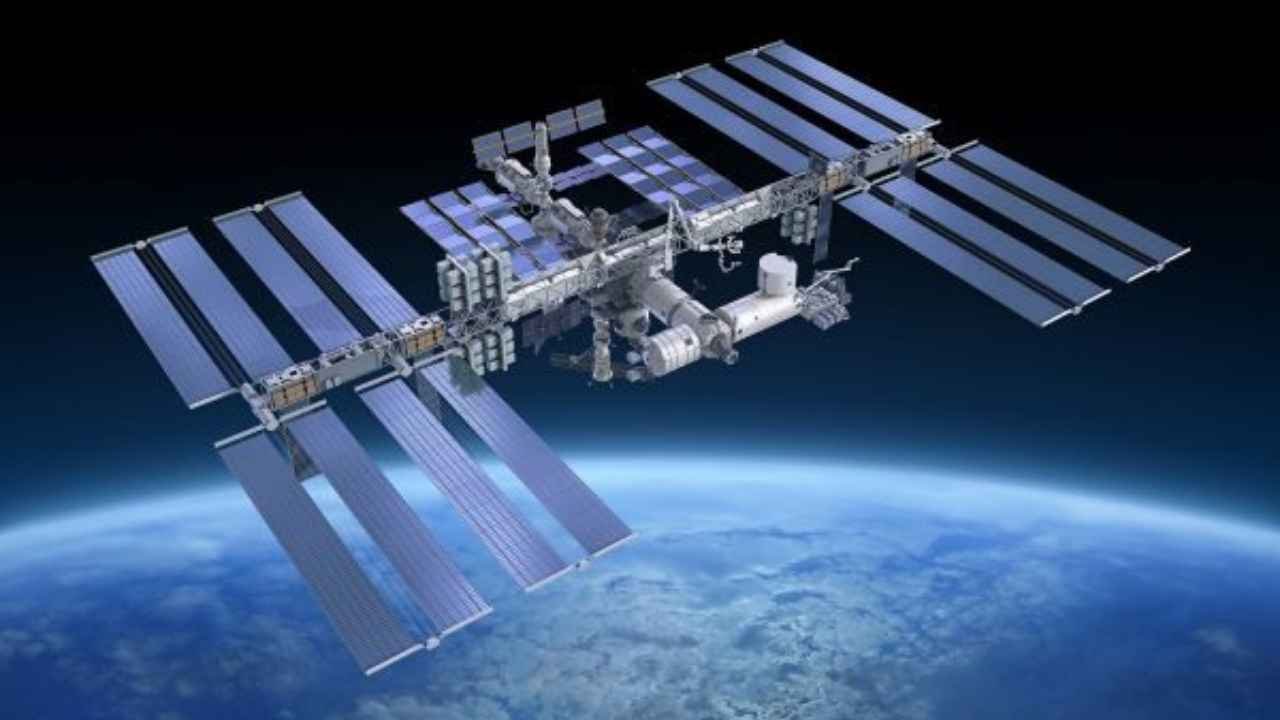
Despite these concerns, the momentum is unstoppable. The idea of space as a purely governmental domain is gone. Private spaceports are being built across the world, and collaborations between agencies and corporations are becoming the norm. NASA now partners with companies like SpaceX to send astronauts to the International Space Station, a partnership that blends public oversight with private innovation.
The dream of interplanetary life, once confined to science fiction, is inching closer to reality. Within this decade, humans could set foot on Mars, private citizens might orbit the Moon, and companies could begin harvesting resources from space. The race is no longer about flags and politics — it’s about building a sustainable, inclusive future beyond Earth.
The privatization of space exploration marks one of humanity’s most defining shifts. It’s a story of ambition, courage, and limitless innovation. As private companies push the boundaries of what’s possible, they’re not just transforming the future of space travel — they’re redefining what it means to be human in an infinite universe.